
ReDorm Presswww.redorm.co/press/ucsd-dorm-reuse-pilot-results
UC San Diego Case Study Published: A Summer of Cataloging in Four Days, a Move-In Shop That Sold Out in Two
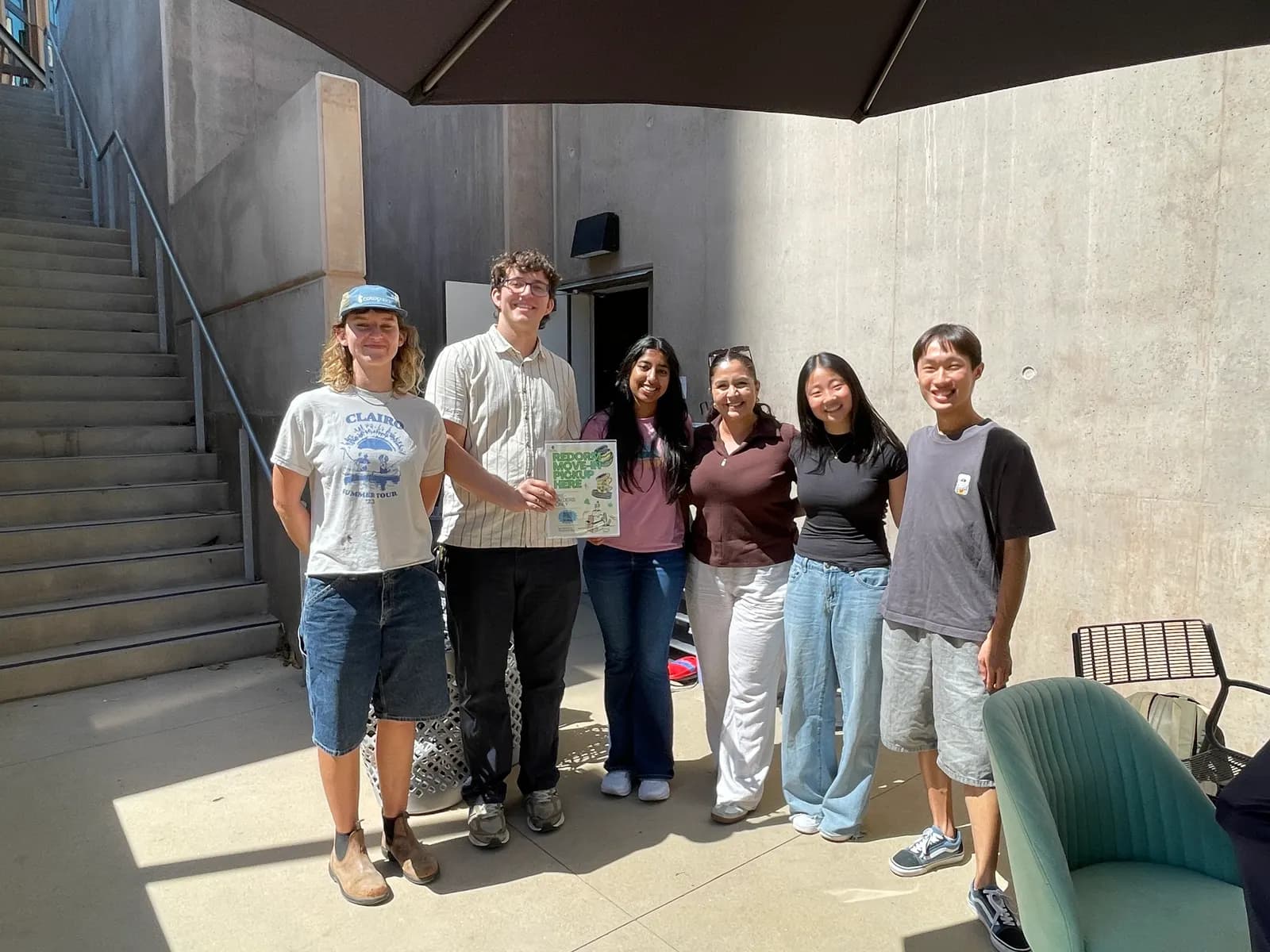
ReDorm today published its case study of UC San Diego's first move-out to move-in reuse season. Run by the campus Sustainability and Zero Waste Programs team across 3 of UC San Diego's 8 undergraduate colleges, the 2026 pilot collected what students left behind at move-out, cataloged it over the summer, and handed it back to incoming students through a free, campus-branded move-in shop.
UC San Diego had tried dorm reuse before, by hand: one member of the housing team tracked everything on spreadsheets and booked pickups with students one at a time. It worked, but it was not sustainable, and at the end there were no defensible numbers. The pilot set out to show that a small team could run the whole loop and come out of it with real data.
A summer of cataloging in four days
Staff and student EcoNauts hauled donations from May 22 to July 29 into a single storage room. The team had planned for cataloging to take the whole summer with several people. Instead, one student, Eva, cataloged over 1,600 items, about 1.2 tons of material, in four days, working mostly from a phone. Because ReDorm's product database already carries each item's weight and materials, there was nothing to weigh or photograph: find the product, add a quantity. The same work by hand is modeled at 438 staff hours, about 11 weeks of one person's full-time work.
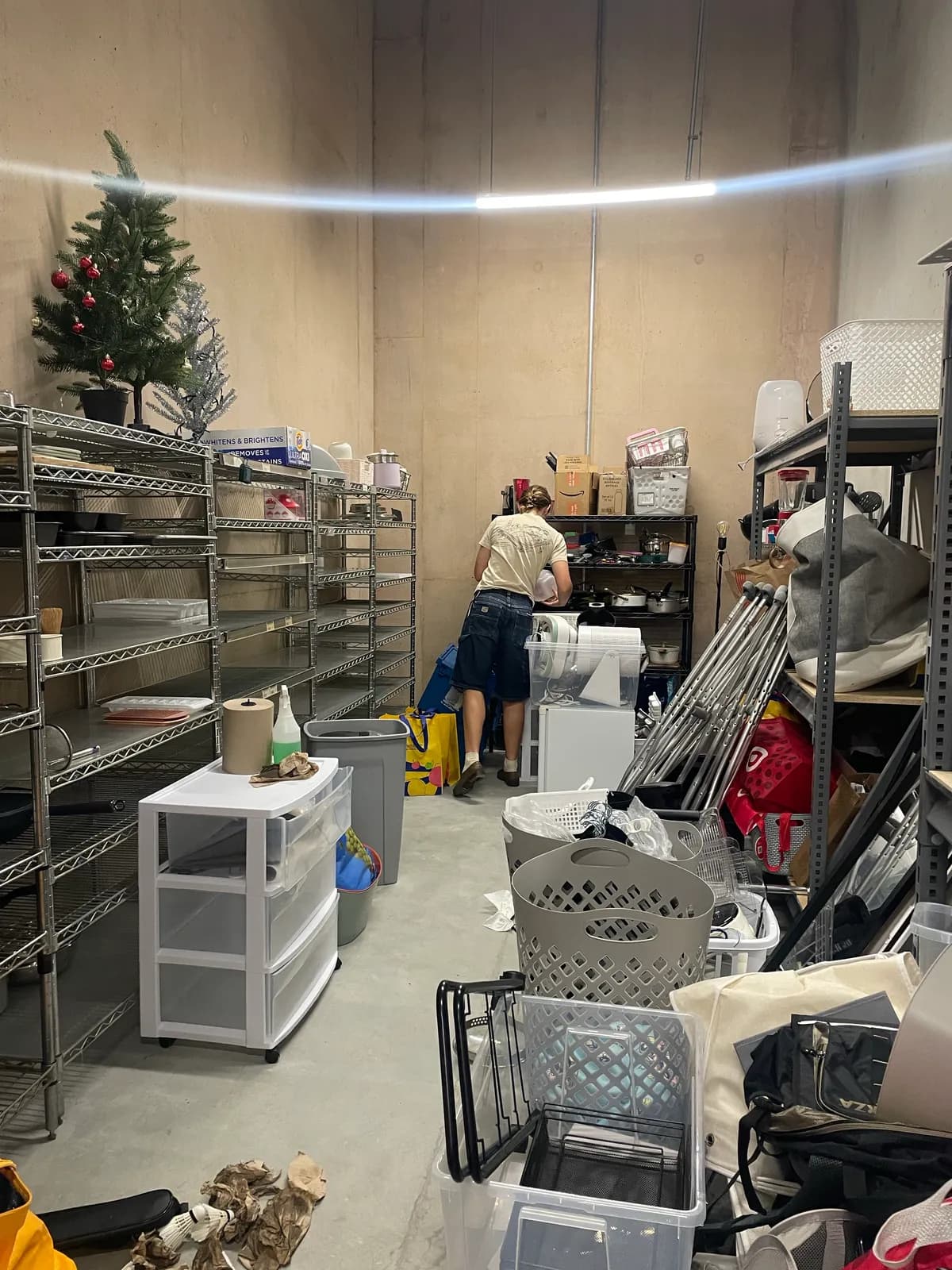
“It would've taken me so long, taking pictures, weighing everything. Instead all I did was search and add.”
A move-in shop that sold out in two days
Over the summer the goods became a free shop under UC San Diego's own name. Students reserved items online and collected them in scheduled pickup slots during move-in week. There was no campaign: the link sat inside a move-in email. Students reserved 78% of the stock in the first six hours and 94% within two days. 363 students signed up to shop and 159 were able to order before stock ran out, so the limit was supply, not interest.
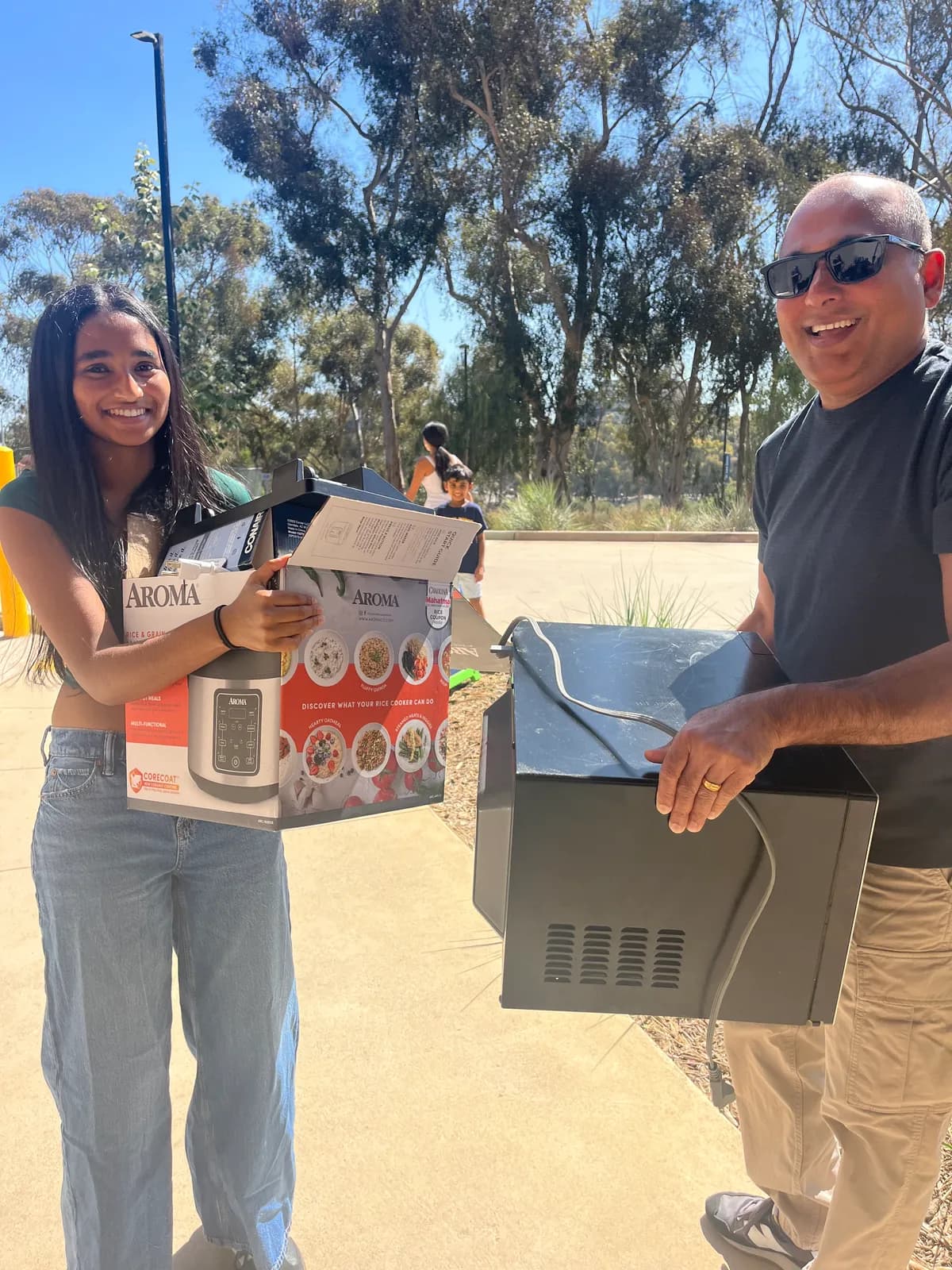
“Parents were posting it on Facebook Marketplace and Reddit threads for UCSD parents, so the word got out with very little marketing.”
About $23,307 of value in one season
Adding up what the season delivered gives about $23,307 of value before a single item was sold: $14,401 saved by 159 students, $91 each, against buying new; an estimated $8,770 of staff time not spent hand-logging; and $136 in landfill fees avoided. The program kept 1.3 tons out of the bins. That material carries 6.4 metric tons CO2e of embodied carbon kept in use, and an estimated 4.3 metric tons CO2e of new production avoided, reported separately and never added to the first.
Every figure came from the impact report ReDorm built as the program ran, so when the season ended there was no spreadsheet to assemble. The case study shows how each one was measured.
“Using ReDorm helped legitimize the sustainability pilot that we were doing anyway. And now it opens the door for more collaboration because what we need is buy-in and being able to show numbers, to show impact, to prove our purpose.”
From pilot to program
The results helped establish the pilot as an annual program. The team plans to expand to five colleges next year, then all eight.
“The hardest part of the process was the labor, the convincing people. But the easiest part was ReDorm.”
The full case study, including the method, the data tables and UC San Diego's live impact report, is available at redorm.co/case-studies/uc-san-diego.
About ReDorm
ReDorm makes dorm reuse programs easier to start and sustain, giving campus housing and sustainability teams the inventory, storefront, and impact-tracking tools to run move-out and move-in as one connected program.